
An interview with THE’s Outstanding Library Team of the Year 2025
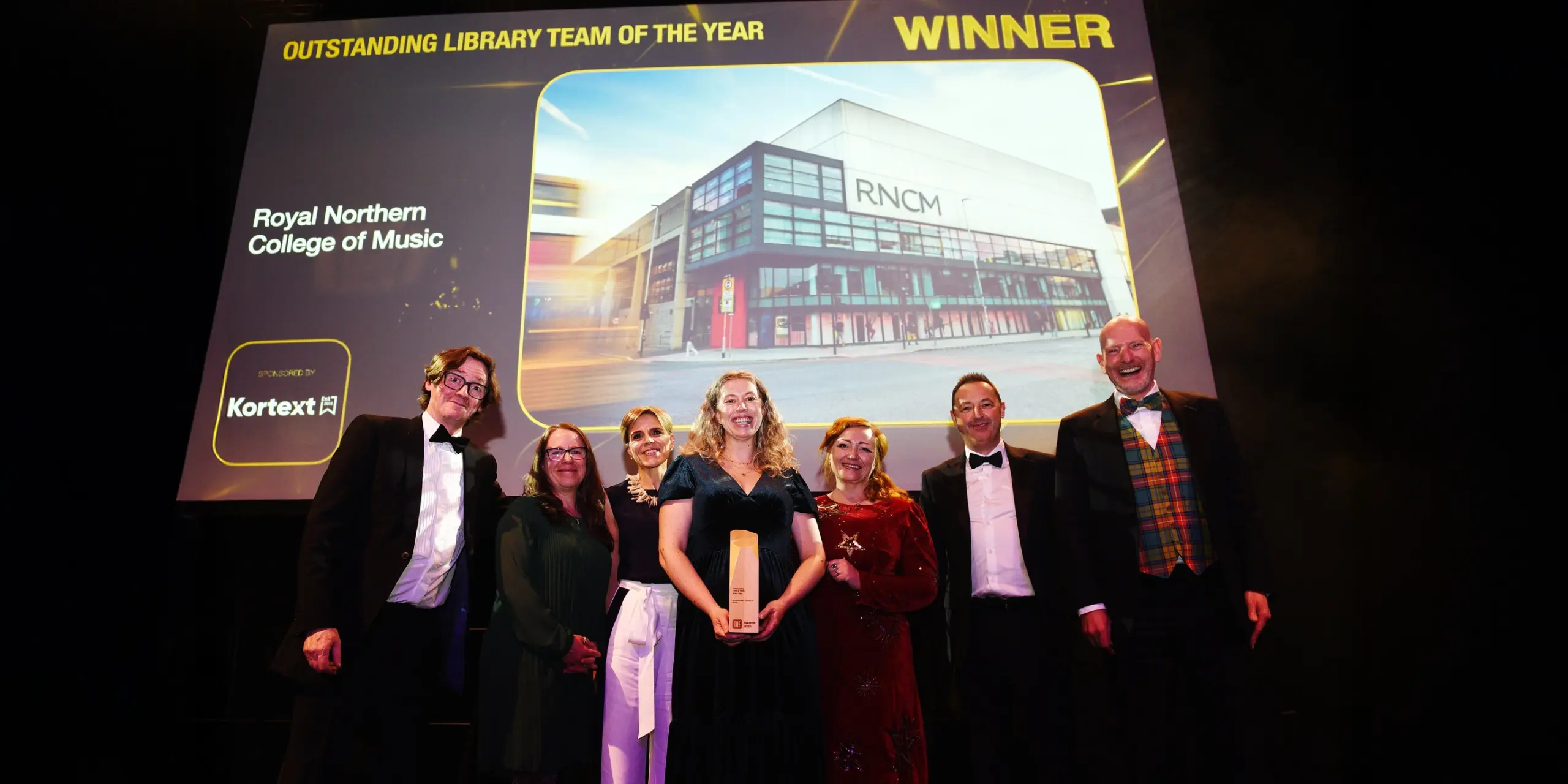
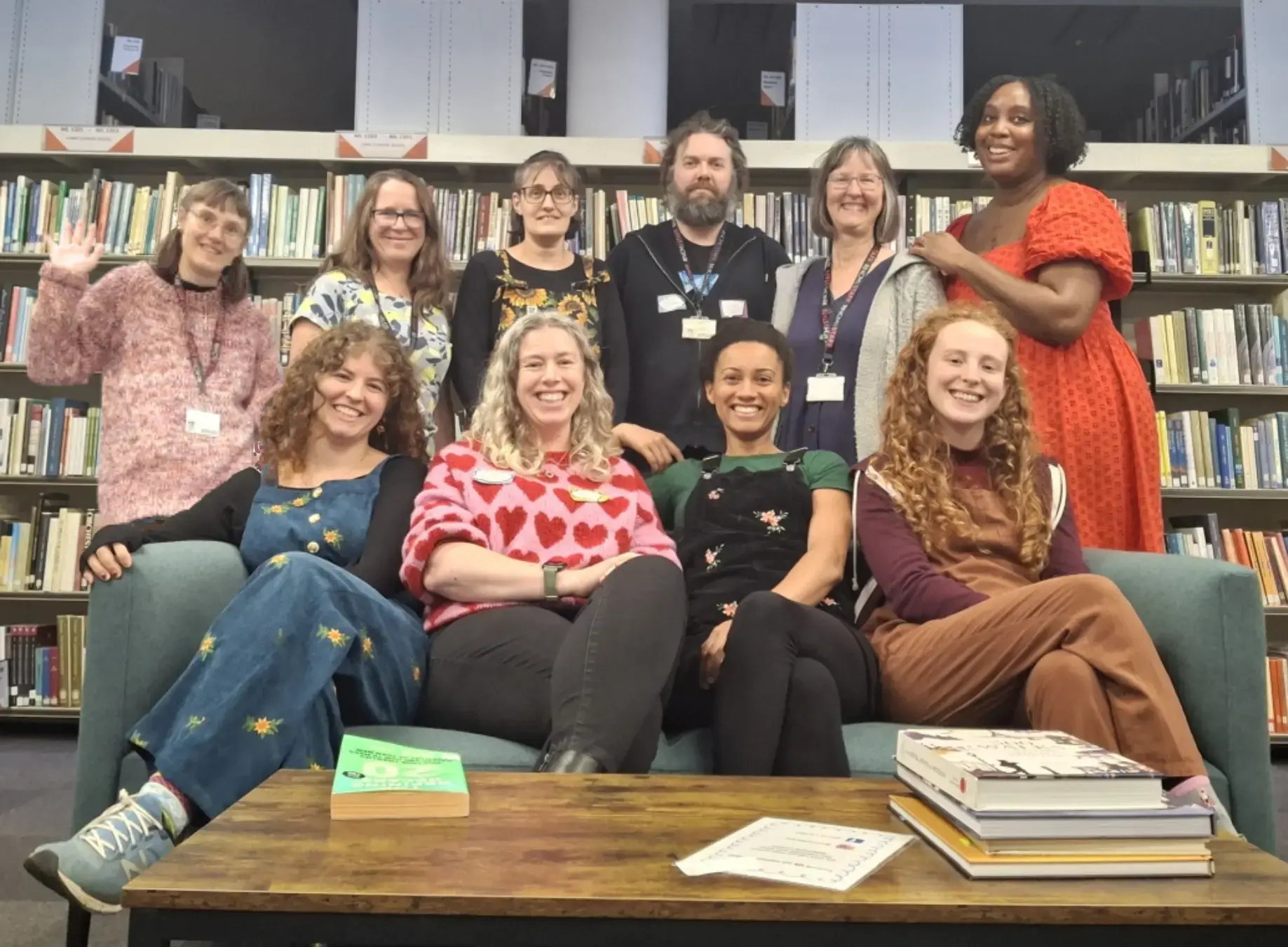
We were joined by Sarah d’Ardenne, Head of Library Services at the Royal Northern College of Music, to talk about what the win meant to the team and discuss the details of their award-winning submission.
Congratulations, Sarah! How did it feel to win the award?
Thank you, it felt amazing and we were very surprised. As a small, specialised institution it’s easy to feel like you can’t compete with the incredible projects that larger institutions are able to conduct – but it turns out we could!
It’s not an award that we’d ever gone for before, but we had lots of encouragement from our principal and I’m very grateful for the support we had from the development team in putting the submission together.
The win has been a fantastic morale boost for the team and a lovely recognition of each individual’s hard work and dedication. The day after, my inbox has never been more full with congratulatory messages from staff both past, present, and from other institutions as well.
It really highlights how recognised the award is and the appreciation of our department, which is a lovely feeling.
Could you tell us a bit more about your winning entry?
Absolutely, it really focused on what makes us a unique service which is our 1:1 support, bespoke service that we’re able to provide for staff and students – from point of offer to graduation and beyond.
23/24 was a big year for that and included a large number of initiatives that maximised the amount of personalised support that we could provide. This included collaborations with the Student Wellbeing Hub, our School of Wind, Brass and Percussion, and development projects that helped us to diversify our collections.
Talking a bit more about personalised support – how did your partnership with the Student Wellbeing Hub begin and what impact has it had on students?
We had a restructure of roles that enabled us to create a primary point of contact in the library for wellbeing staff and more importantly for the students with personal learning plans (PLPs).
Once the wellbeing team has set up a student’s PLP, they can refer them directly to this member of staff who will invite them to discuss any individual requirements that the library can assist with.
We’ve also developed a policy that provides students with a PLP extended time with lending materials, so they get that extra provision without needing to ask for it. This takes the stress away for the students who may be reluctant to ask for help.
The library provides offer holders with access to sheet music before enrolment – what motivated this initiative and how has it helped students feel connected before they arrive?
This came about after a presentation from the Student Recruitment Team. They were going through their ideas to keep offer holders engaged and that got me thinking about how the library could contribute to ensure that they make it through those doors in September – digital sheet music seemed like a great way to do that!
We’d had students past, present and future contact us to borrow sheet music so we could see that was a key factor for a potential offer-holder. Providing early access also means they use the library portal earlier so once they arrive in September, they’ve already got a sense of what’s available and how to access it.
Reflecting on the library’s collaboration with the School of Wind, Brass and Percussion, leading to the digitisation of over 400 scores with 14,500+ views – how do you see digital resource provision evolving for your library?
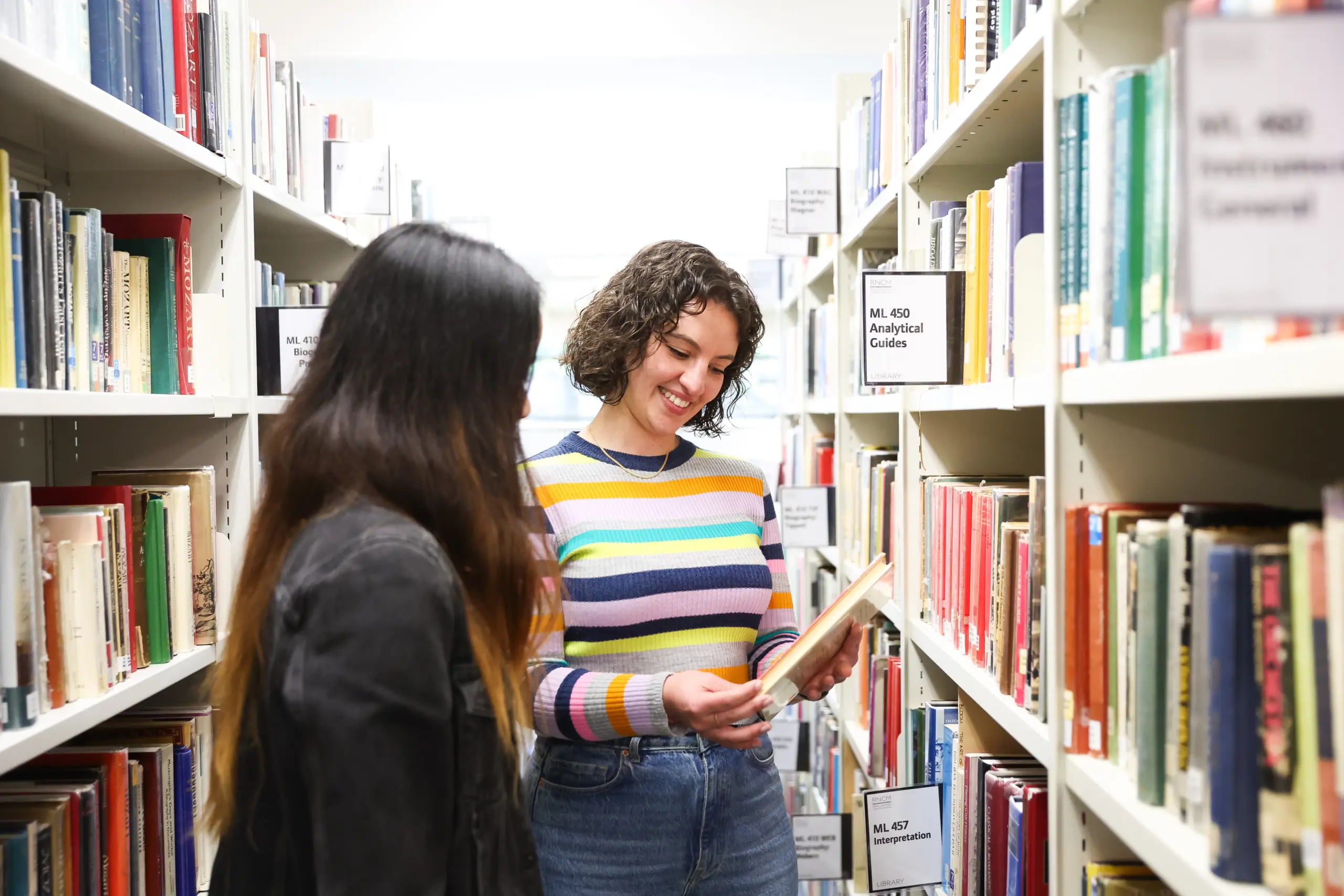
As a College of Music, getting rid of print entirely isn’t really practical yet. We are seeing a shift in students using devices for sheet music – especially in rehearsals – but there’s still a want for the physical copies so students can annotate as they rehearse.
Another way that I can see digital resource provision developing is something that we’ve initiated in terms of our archival and special collections materials. During our ‘Throwing Open the Concert Doors’ celebration of the college’s 50th anniversary, we started to digitise historic college performances. This is something we’d like to continue as it makes pieces far more accessible and supports preservation as well.
Your library team acquired 100+ African Heritage Art songs and targeted works by underrepresented female composers and African pianism. What guided your approach to diversifying the collection?
Projects like these are really guided by the expertise of other departments and academic staff. The African Heritage Art songs project came out of research done by the late Michael Harper – a Professor of Singing here at RNCM.
Michael founded the Williams-Howard Prize for vocal students and we developed the collection to support that prize. Michael’s input was essential and we’re able to support that prize every year and continue to expand and diversify the collection.
The collection of works by underrepresented female composters was also inspired by a colleague – peer-to-peer learning is so valuable in that sense and we’re lucky enough to support staff and students through acquisitions that support them in expanding their knowledge into personal areas of interest.
Your team provided 1:1 copyright guidance to around 250 students – why is copyright literacy so vital for emerging musicians?
We introduce copyright awareness from day one when students come in as a first year and then continually throughout their time at the Royal Northern, offering 1:1 meetings as they progress, all the way through to their final performances.
Copyright literacy is essential for musicians – no matter which sector of the industry they graduate into. Understanding how to protect their creative output is a core professional skill, which is why we embed best practice and ethical use of music throughout their training.
Kortext are proud to have sponsored the THE Outstanding Library Team of the Year award for 2025.
We’d like to extend a huge thank you to Sarah for taking the time to talk to us and another huge congratulations to the library team for their continuing success!