


LGBT+ History Month – an open access collection
February is UK LGBT+ History Month, an opportunity to reflect on the histories, experiences and contributions of LGBTQ+ people, and to highlight the ongoing challenges shaped by social, cultural and institutional change.
This year’s theme is Science & Innovation, which focuses on both the contributions of LGBTQ+ people to scientific progress and the harm caused when science has been misapplied.
To mark LGBT+ History Month, we’ve curated a wide-ranging collection of open access titles that reflects the diversity of perspectives, disciplines and approaches across LGBTQ+ writing and research.
Here are five titles that reflect some of the different themes, topics and approaches explored across the collection.
1. A Guide to Providing LGBTQ+ Inclusive Reproductive Health Care: Pride in Birth by Mari Greenfield, Kate Luxion, El Molloy and Alice-Amanda Hinton (eds.)
This guide examines how reproductive healthcare can better meet the needs of LGBTQ+ people. Drawing on medicine, psychology, sociology, law and public health, it confronts the historic medicalisation of LGBTQ+ people within reproductive healthcare, positioning inclusive practice as both a clinical and ethical necessity.
Each chapter explores lived experience alongside practical tools and recommendations for care, making the guide relevant to contemporary debates around healthcare equity. Covering the full perinatal journey, the guide is well suited to student midwives and medical students, as well as educators and practitioners working in clinical settings.
2. Between HIV Prevention and LGBTI Rights: The Political Economy of Queer Activism in Ghana by Ellie Gore
This book examines the relationship between global HIV prevention initiatives and LGBTI rights activism in Ghana. Through ethnographic research, documentary analysis and global health data, Gore investigates how international health funding, development agendas and local political contexts intersect.
By situating HIV prevention within broader histories of colonialism, capitalism and state power, it offers a nuanced analysis of how science and global health policy can both support and undermine LGBTQ+ people. The book is particularly relevant for students in healthcare, sociology and politics, including those examining activism or political economy.
3. Lesbians on Television: New Queer Visibility and the Lesbian Normal by Kate McNicholas Smith
This book places lesbian visibility at the centre of analysis, tracing the evolution of lesbian representation on television. Using a combination of textual analysis, audience research, interviews and multi-platform media study, it examines recurring tropes, from stereotyping and marginalisation to mainstream visibility.
By combining audience research with media analysis, Smith offers fresh insight into how visibility, normalisation and inclusion have been shaped across historical and cultural contexts. Focusing on how representation operates not just on screen but in relation to wider social attitudes, this book will appeal to students of media and film and television studies.
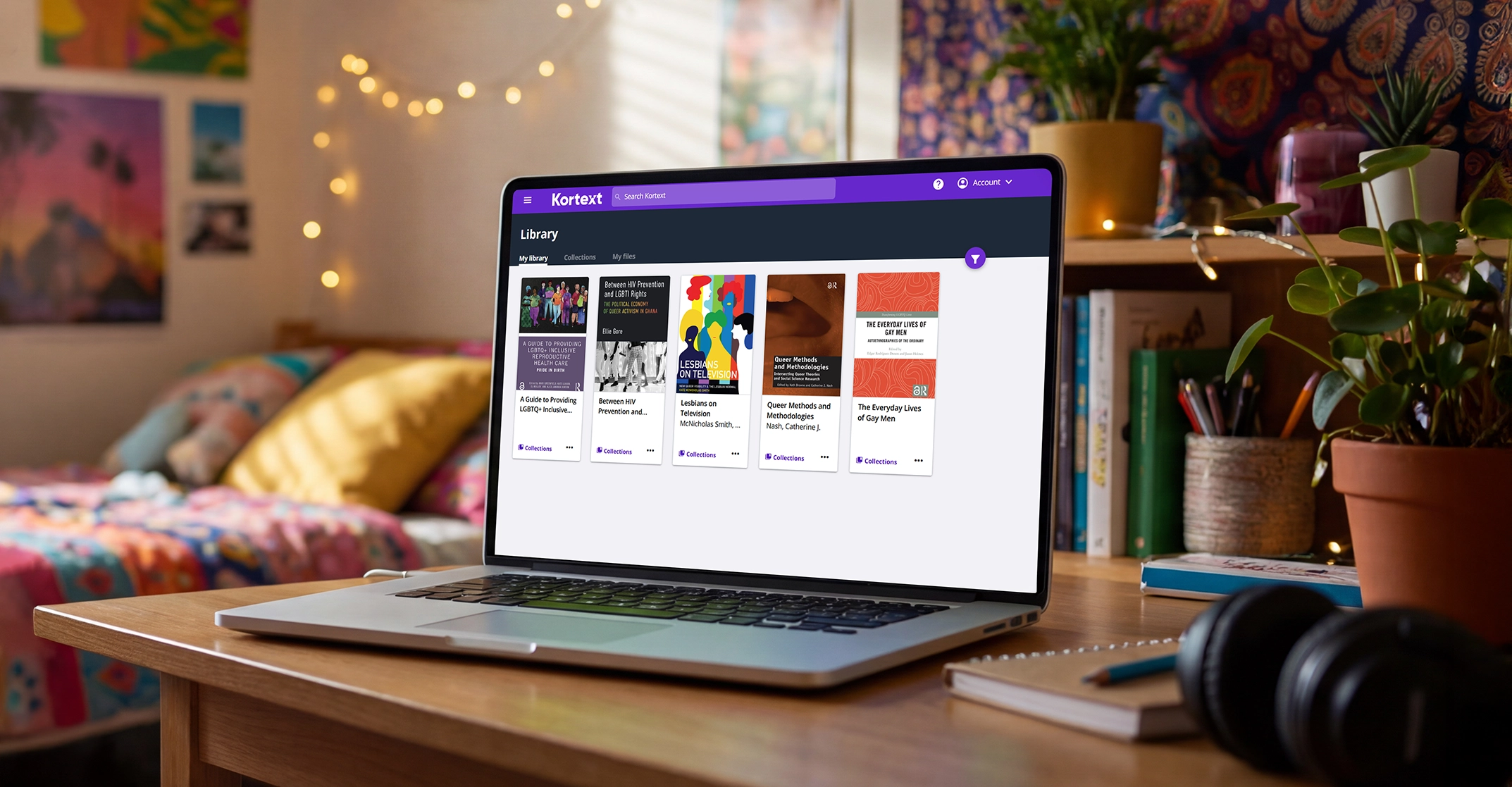
4. Queer Methods and Methodologies: Intersecting Queer Theories and Social Science Research by Kath Browne and Catherine J. Nash (eds.)
This edited collection offers a systematic exploration of what it means to conduct social science research from queer perspectives. It examines how queer theory reshapes research design, data collection, ethics and interpretation across disciplines.
Each chapter critically assesses both the limitations and possibilities of applying queer perspectives to established social science methods, making it a key contribution to debates about innovation in research practice. These approaches offer new perspectives on social science research, making the book relevant to students and researchers alike.
5. The Everyday Lives of Gay Men: Autoethnographies of the Ordinary by Edgar Rodríguez-Dorans and Jason Holmes (eds.)
This book brings together a collection of stories exploring the ordinary, everyday experiences of gay men, shifting focus away from exaggerated or sexualised narratives. Through first-person accounts, contributors reflect on identity, belonging and daily life, challenging narrow definitions of what it means to be gay.
By centring lived experience, the collection challenges traditional approaches to sexuality studies that prioritise external observation or sexual behaviour. It will be of interest to students studying sociology or specialising in gender studies, particularly those interested in qualitative research and lived-experience approaches to identity.
To access our new collection, please contact your Kortext Account Manager for more information.
You don’t have to be an existing Kortext customer to benefit from our Open Resources Collection. To find out more, talk to us today.