

Literary studies – an open access collection
Literature is shaped not only by what is written, but by how it is read and studied. Across periods, perspectives and media forms, these shifts continue to influence how literature is taught and interpreted.
Our open access literary studies collection brings together research that reflects this range, spanning literary history, theory and contemporary forms of storytelling. To introduce the collection, we’ve selected five titles that offer a snapshot of its scope.
1. A Short Media History of English Literature by Ingo Berensmeyer
Tracing the history of English literature through the media that have shaped it, Berensmeyer explains how changes in technology influence not only how texts are produced and circulated, but also how readers experience them.
By approaching literary history as a history of media, the book shifts focus away from individual authors or genres and towards the cultural and technological contexts that enable literature to exist. As an engaging foundation for literature studies, it is a useful resource for students studying English, literature and media studies.
2. Jane Austen, Virginia Woolf and Worldly Realism by Pam Morris
Jane Austen and Virginia Woolf are two of the most influential figures in English literature, whose writing offers a useful point of reference for how realism is presented in fiction. Using the concept of worldly realism, Morris reframes Austen’s and Woolf’s writing as a response to social upheaval grounded in lived experience and social context.
This approach provides a thoughtful bridge between traditional texts and contemporary critical approaches, making this book ideal for students studying nineteenth- and twentieth-century literature.
3. Materiality in Modernist Short Fiction by Laura Oulanne
Through close readings of work by Djuna Barnes, Katherine Mansfield and Jean Rhys, this volume reflects on how modernist writers used the short story to engage with the material world. By highlighting the short story as a space for formal and stylistic experimentation, Oulanne brings together literary analysis with questions of perception, materiality and reading practice.
The volume considers how modernist fiction invites readers to connect with texture, space and feeling as part of the reading experience, offering a distinctive approach for students studying modernism or short fiction.
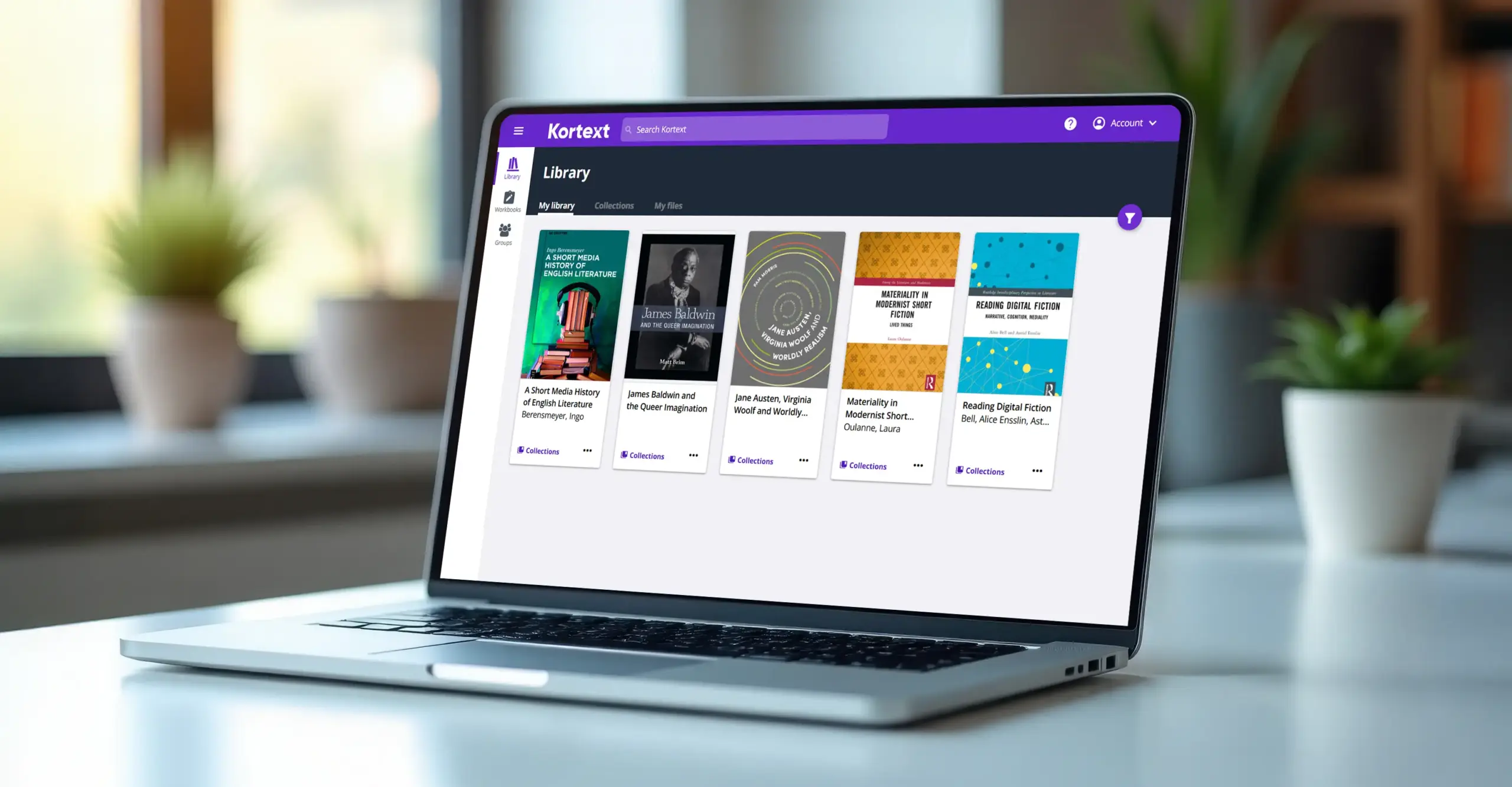
4. James Baldwin and the Queer Imagination by Matt Brim
As a prominent figure in literary history, James Baldwin’s writing remains central to discussions of queer identity through its engagement with themes of race, sexuality and identity. Drawing on queer theory and Black queer studies, this book focuses on the tensions and contradictions in his work, showing how they produce powerful insights into the queer imagination.
Rather than presenting a single way of reading Baldwin, Brim examines how his writing both contributes to and unsettles established ideas of queerness. Opening up space for ongoing interpretation and debate, it offers an engaging exploration of Baldwin’s work for students studying twentieth-century American literature.
5. Reading Digital Fiction by Alice Bell and Astrid Ensslin
As storytelling moves beyond the printed page, this book introduces readers to digital fiction and the relationship between narrative, medium and reader experience. Bell and Ensslin examine five generations of digital fiction, including web-based and standalone hypertext, 3D immersive, app and virtual reality fiction.
By focusing on how readers engage with digital texts across different platforms, this book offers a starting point for students and researchers interested in literature, media studies and digital forms of storytelling.
To access our new collection, please contact your Kortext Account Manager for more information.
You don’t have to be an existing Kortext customer to benefit from our Open Resources Collection. To find out more, talk to us today.