As we mark UK Disability History Month this November and December, it’s the perfect time to reflect on how far we’ve come in making education accessible for all students and honestly acknowledge where we still have work to do.
The reality on campus
According to the Higher Education Statistics Agency, around 16% of UK students disclosed a disability in 2022/23. That’s roughly one in six students navigating university with additional challenges.
From dyslexia and ADHD to physical disabilities, chronic illnesses, and mental health conditions. These aren’t just statistics. They represent real students balancing lectures, assignments, and exams while managing conditions that can make everyday tasks significantly harder.
I know this firsthand. I was recently diagnosed with autism, ADHD, and two processing disorders. Add in mental health struggles I’ve dealt with in the past, and university becomes a completely different experience.
It’s not just about understanding the course material. It’s about managing sensory overload in crowded lecture halls, processing information that comes at you too fast, remembering deadlines when your brain feels like it’s juggling a hundred things at once, and somehow keeping up with advanced academics.
Oh, and in my case, holding down a day job to keep the lights on too.
When people talk about accessibility in education, they’re talking about whether students like me can access our education in a meaningful way, or whether we’re constantly exhausted just trying to keep up with systems that weren’t designed with us in mind.
Progress we should celebrate
There’s genuinely been incredible progress – disability support services exist at virtually every university now. Students can access note-takers, extra exam time, and alternative assessment formats. The conversation around invisible disabilities has expanded massively, ten years ago talking about ADHD or anxiety in academic settings felt taboo.
Now, students are more willing to disclose their needs and seek support.
Technology has been a game changer too. Screen readers, speech-to-text software, and digital textbooks have transformed how students with various disabilities can access course materials.
The shift to digital learning during the pandemic, while challenging for everyone, inadvertently highlighted how flexible learning formats benefit disabled students who had been asking for these options all along.
Universities are also improving physical accessibility. More buildings have ramps, lifts, and accessible toilets. Lecture recordings are becoming standard practice, helping students who struggle with notetaking or who need to review content multiple times.
The challenges that remain
But let’s talk about what still needs work. Inconsistency is a massive issue – support shouldn’t depend on whether individual staff members happen to be empathetic or understanding – it needs to be embedded in how courses are designed from the start.
Having to explain your needs repeatedly, to every lecturer, every semester is exhausting when you’re already managing a disability.
Stigma remains a real barrier too. Research from disability charity Scope shows that many students don’t disclose disabilities because they fear judgment or don’t want to be seen as less capable.
There’s this persistent worry that people will think you’re looking for special treatment or trying to get an unfair advantage. Accommodations aren’t advantages, they’re adjustments that let you demonstrate what you actually know, not how well you can navigate barriers that shouldn’t exist in the first place.
The financial burden is another challenge rarely discussed. While DSA (Disabled Students’ Allowance) exists, not everyone qualifies and the application process can be overwhelming when you’re already dealing with a disability.
Some assistive technology is expensive, and not all universities provide it readily. For students working jobs alongside their studies, the time and money required to access proper support can feel impossible to manage.
There’s also the issue of neurodiversity being overlooked in traditional teaching methods. Lectures that rely solely on auditory learning, tight deadlines that don’t account for different processing speeds, and environments that don’t consider sensory needs all create unnecessary barriers.
When you’re dealing with processing disorders, being expected to absorb, process, and retain information at the same pace as neurotypical students isn’t realistic without proper support.
Moving forward together
So what needs to happen? We need universal design in education, where courses are built with accessibility in mind from day one, not as an afterthought.
We need better training for staff so they understand different disabilities and how to support students effectively.
We need to keep talking about these issues openly, challenging stigma wherever it appears.
Most importantly, we need to listen to disabled students themselves. We know what works and what doesn’t, our experiences should drive policy changes, not be sidelined.
How Kortext is making a difference
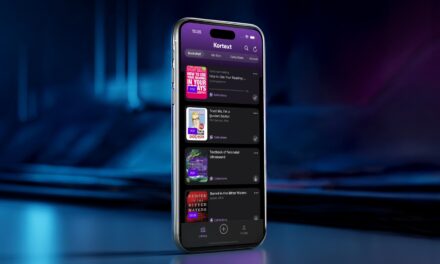
This is where I’m genuinely proud to talk about the tools available through Kortext. The platform has been granted the gold ASPIRE award, recognising its commitment to accessibility in digital learning.
Kortext offers features that make a real difference for students with various needs. The read-aloud function is brilliant for anyone with dyslexia, visual impairments, or those who process information better aurally.
You can adjust the reading speed to match how you learn best. For someone with processing disorders, being able to hear the text while reading along can make comprehension so much easier.
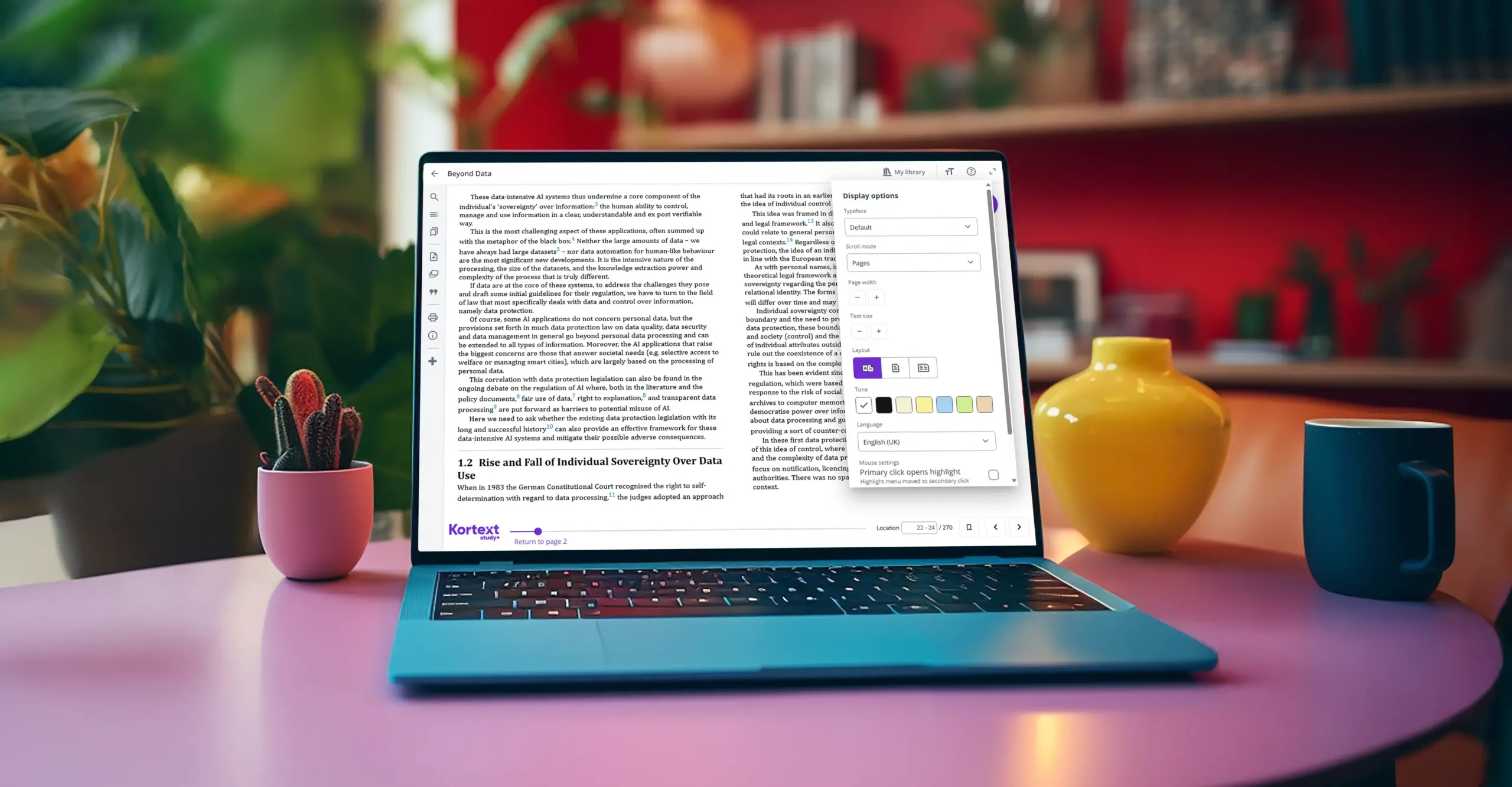
The ability to change background colours helps reduce eye strain and makes reading easier for students with visual stress or conditions like Irlen Syndrome.
You can switch between different colour contrasts to find what works for your eyes. When you’re studying late after a full day of work and classes, reducing visual strain becomes crucial.
Font customisation might seem small, but it’s huge for accessibility. You can increase font size for better visibility, and some fonts are specifically easier for dyslexic readers to process. Being able to adjust these settings means every student can create their optimal reading environment.
The highlighting and note-taking tools support different learning styles and executive function challenges. For students with ADHD who struggle with memory or organisation, being able to colour-code information and add notes directly to the text creates a personalised study system that works with your brain, not against it.
When your working memory isn’t reliable, having everything documented right there in your textbook is essential.
Having everything in one digital platform also means no more heavy bags full of textbooks, which is particularly helpful for students with physical disabilities or chronic pain conditions.
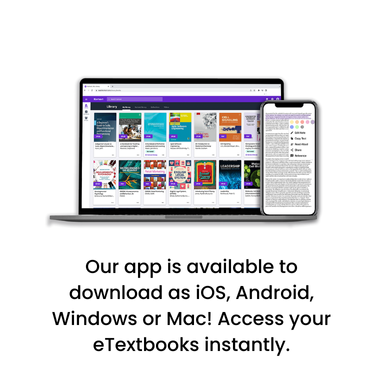
And for those of us juggling multiple commitments, being able to access your materials anywhere, anytime, on any device makes studying around work schedules and challenging days actually possible.
Final thoughts
Inclusion in education isn’t a finished project. It’s ongoing work that requires all of us to stay engaged, keep questioning, and push for better. This UK Disability History Month let’s celebrate progress while committing to tackle the challenges that remain.
Every student deserves the chance to succeed, and that means building an education system that works for everyone, not just those who fit a traditional mould. We’re getting there, but we’re not there yet.
As someone navigating this system with multiple diagnoses, I can tell you firsthand that the right tools and support make all the difference between barely surviving and actually thriving.
What’s your experience with accessibility in education? What changes would make the biggest difference? Let’s keep this conversation going.