

How gratitude can shape your wellbeing
Written by Kortext ambassador Karimah and reviewed by our team.
In a culture that rewards constant productivity and comparison, stress has become almost ambient, especially for university students. Deadlines, expectations and the pressure to keep up can quietly accumulate.
Over time, this begins to affect both mental and physical health. What’s often overlooked is that one of the most effective ways to manage this is not complex or time consuming. It is simple. Gratitude.
Gratitude is not just a fleeting feeling of thankfulness, it’s a practice that shifts how we interpret our experiences. Instead of focusing only on what’s lacking, it encourages us to recognise what is already present. Research shows that this shift is associated with lower stress levels, improved mood and better overall wellbeing.
The science behind mental health and gratitude
Research consistently links dispositional gratitude to better mental health outcomes, including lower levels of stress, anxiety, and depression, alongside higher life satisfaction and positive affect (Wood et al., 2010). The underlying mechanism seems to involve both direct and indirect pathways: gratitude reduces perceived stress, which in turn protects against declines in mental health.
In this sense, gratitude doesn’t simply coincide with well-being, it actively shapes cognitive and emotional responses to challenges.
In school settings, these effects are particularly relevant. Gratitude interventions can enhance students’ social-emotional skills, resilience and relational well-being (Renshaw et al., 2022). For example, when students practise recognising support from others or reflecting on positive experiences, they report improved mood and stronger peer relationships.
This suggests that gratitude functions as a psychological buffer, promoting adaptive coping strategies in response to stressors.
Critically, while the benefits of gratitude for mental health are well-documented, research also points to potential moderators. The effectiveness of gratitude practices may depend on factors like age, baseline stress levels, and the context in which gratitude is expressed (Valikhani et al., 2019).
In other words, gratitude is not a one-size-fits-all intervention; its impact is likely amplified when integrated thoughtfully into everyday routines and learning environments. Overall, the evidence positions gratitude as both a protective factor and a skill that can be cultivated to support mental health and wellbeing in students.
A personal perspective
Gratitude is also a key part of my faith, I believe that appreciating the people and things around you plays an important role in improving mental health and overall wellbeing. It encourages a sense of contentment that is not dependent on constant achievement or external validation.
At the same time, it is not always easy. Maintaining an appreciative mindset during difficult periods can feel unnatural. However, perseverance and the ability to recognise moments of light – even in challenging situations – are what build resilience over time.
In a world that often prioritises having the nicest car or constantly chasing the next achievement, it becomes easy to overlook what’s already present. The small everyday moments are often dismissed, yet they are the ones that quietly support our sense of stability. Choosing to notice them is a simple shift, but it can have a lasting effect.
Gratitude and community
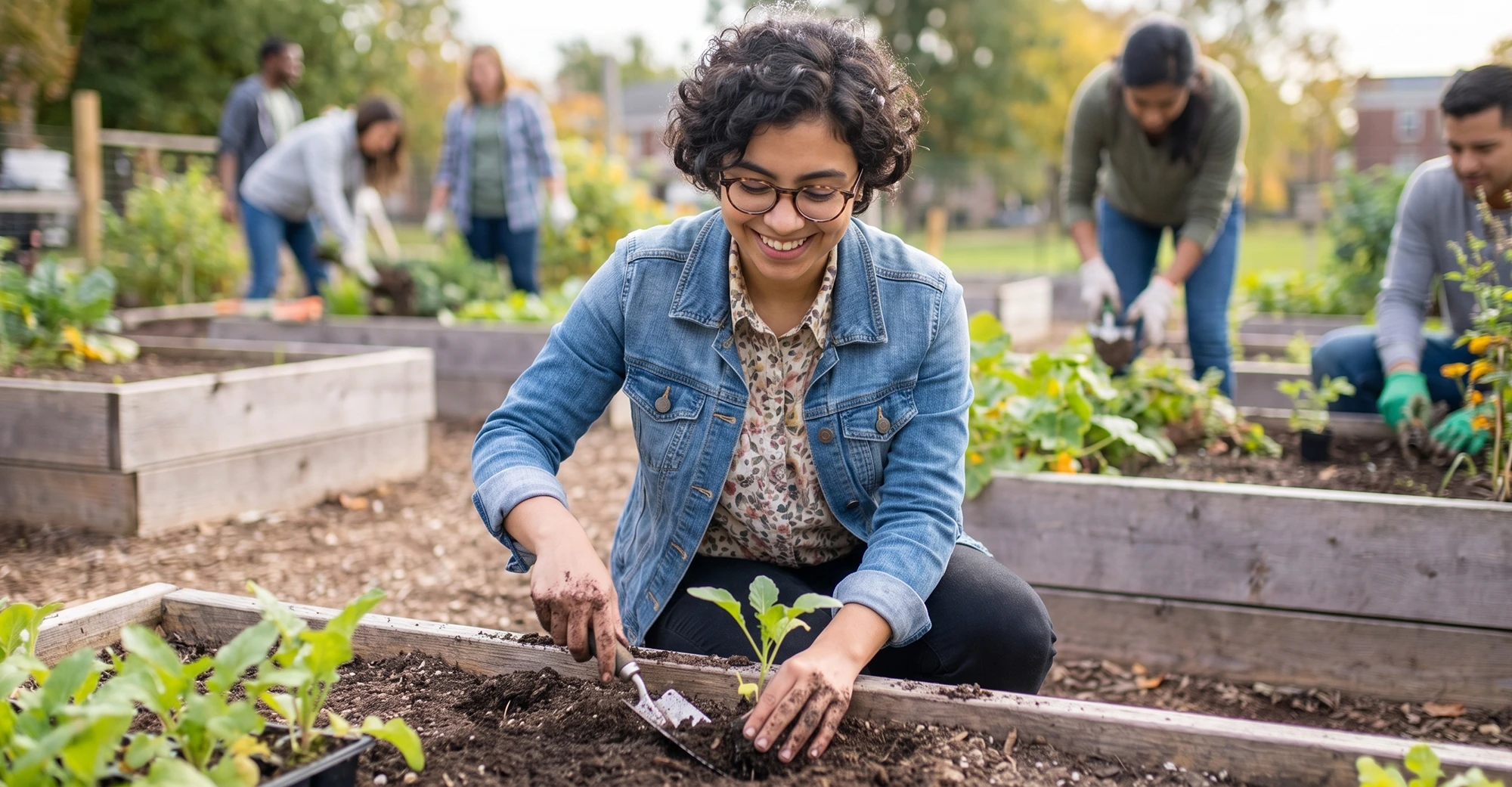
We are not only shaping our own lives but also the communities around us. The way we interact with others, show appreciation and offer support influences the environments we are part of. Gratitude plays an important role in this.
When appreciation is expressed openly, it strengthens relationships and creates a sense of belonging. This is especially important in university settings, where many people are adjusting to new environments. Small actions such as acknowledging someone’s effort or checking in can make a meaningful difference.
Without gratitude, environments can begin to feel transactional. People contribute but do not feel recognised. Over time, this can affect both individual wellbeing and the overall atmosphere of a community. By practising gratitude, we contribute to more supportive and connected spaces. It is not about large gestures, but about consistent, thoughtful actions.
Actionable ways to show gratitude
The key to gratitude is consistency, it should feel natural and sustainable. Here are simple ways to incorporate it into your daily life.
- Journal daily
Write down three things you are grateful for each day. They don’t need to be significant. This helps train your mind to recognise positive moments more easily. - Express appreciation to others
Make it a habit to tell someone in your life each week that you appreciate them. This strengthens relationships and reinforces your own sense of gratitude. - Allow yourself to rest
Taking breaks without guilt is essential. Rest is a way of showing gratitude towards your own wellbeing. - Notice small moments
Simple experiences such as a morning coffee or a quiet moment in your day can become meaningful when you pay attention to them. - Support charitable causes
Giving to others – through donations or small acts of kindness – provides perspective and reinforces gratitude. - Volunteer for causes you care about
Engaging in meaningful work strengthens your sense of purpose and connection to others.
You’ve got this!
Gratitude doesn’t remove stress or eliminate challenges. Instead, it changes how we experience them. Over time, it creates a more balanced perspective, where difficulties exist but do not define everything. For students navigating demanding environments, this shift is valuable, allowing space for both ambition and contentment.
Gratitude is not about having more. It is about recognising what is already there and allowing that awareness to support you.