

Sport – an open access collection
Sport is one of the world’s most popular and influential cultural activities, bringing together communities and shaping experiences both on and off the field of play.
As an area of study and research, sport spans a wide range of disciplines and perspectives, examining the many roles sport plays in society.
To highlight the breadth of this collection, here are five open access titles that examine sport’s impact on communities, culture, politics and everyday life.
1. Football, Community and Social Responsibility: Everton’s ‘Blue Family’ and Sport at the Service of Humanity by Chris Stone
Using Everton FC and its charitable trust as a case study, this book explores the role football clubs play within their local communities.
Focusing on outreach work carried out during the COVID-19 pandemic, it shows how football clubs can act as civic institutions as well as sporting organisations.
Combining real-world examples with wider discussions of social responsibility, the book highlights the impact football clubs can have beyond match days, offering valuable insights for students of sport management, sociology and business.
2. French Cycling: A Social and Cultural History by Hugh Daunce
Cycling has long been part of French culture, and this book traces its influence across more than a century of social, cultural and economic change.
From the rise of cycling tourism and the emergence of the Tour de France to developments in media coverage and technological innovation, the book reveals how deeply cycling is entwined with national identity and everyday life.
Students of history, sociology and media studies will find an engaging account of one of the country’s most enduring sporting traditions.
3. Skateboarding and the Senses: Skills, Surfaces and Spaces by Sander Hölsgens and Brian Glenney
Skateboarding is often viewed as a sport, a lifestyle or a subculture. This book takes a different approach, exploring how skaters experience the city through movement, skill and sensory awareness.
Drawing on anthropology, geography and cultural theory, the authors examine how skateboarders interact with urban spaces, develop resilience and build communities. Students of sociology, geography and anthropology will gain fresh insight into how sport, movement and urban environments shape the way people experience public spaces.
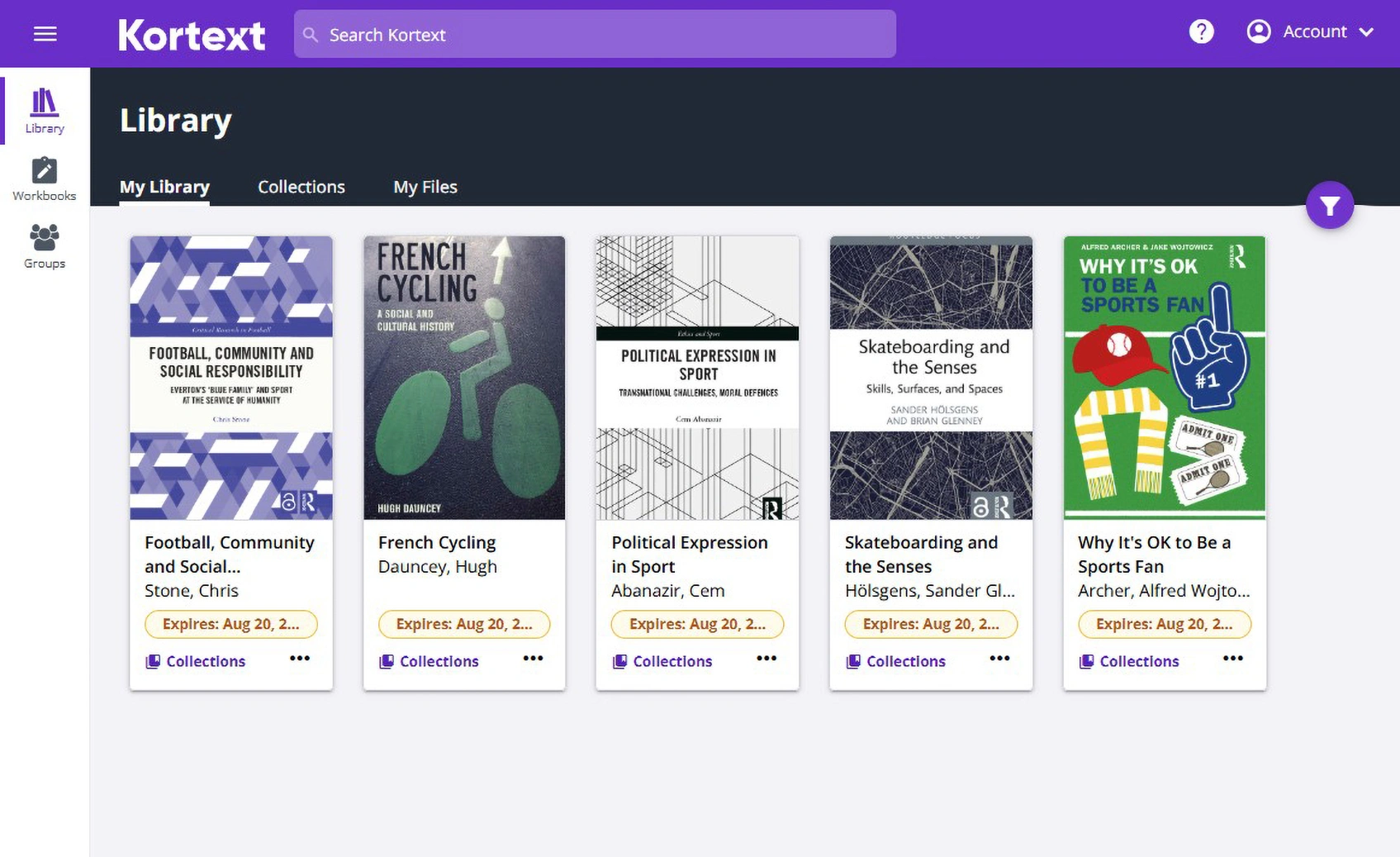
4. Political Expression in Sport: Transnational Challenges, Moral Defences by Cem Abanazir
From athletes taking a knee to protests on the world’s biggest sporting stages, political expression has become an increasingly prominent part of modern sport. Examining both athlete activism and the role of governing bodies, this book explores how organisations such as FIFA, UEFA and the IOC respond to political speech.
Alongside international case studies, Abanazir considers the challenges of balancing individual expression with the interests of sporting institutions. The blend of contemporary examples and political theory makes it particularly relevant to students of politics, philosophy and law.
5. Why It’s OK to Be a Sports Fan: The Ethics and Aesthetics of How We Live by Alfred Archer and Jake Wojtowicz
Supporting a team can foster a sense of belonging, identity and community, but it can also raise difficult ethical questions. This book examines the challenges fans face, from racism and violence in sporting cultures to controversial behaviour by players and owners, while arguing that fandom can still be a positive force.
Through discussions of loyalty, responsibility and community, the book explores some of the biggest ethical questions surrounding modern sport, offering an accessible entry point for students of philosophy, sociology and cultural studies.
To access the full collection, contact your Kortext Account Manager for more information.
You don’t have to be an existing Kortext customer to benefit from our Open Resources Collection. To find out more, talk to us today.